Pre-Loading site content…

If you missed the recent show "Duets" at Rubicon ARI, you can view the works in the catalogue.

Download the catalogue (PDF, 5.3mb)

Or download a version to read on your phone (PDF, 500kb)

e: simon@simonocarrigan.com.au | m: 0403 885 988 | PO Box 1202, Collingwood, VIC, 3066, Australia
 
Watch Video

The Bear Cycle

A Hand Drawn Animation By Simon O’Carrigan

Simon O’Carrigan’s latest animation is an odd little thing.  Continuing his investigation into the use of the ‘loop’ when displaying video art, he seems to have found a strong form.  Rather than working with linear, narrative video (marred by a jarring loop each time the video finishes), Simon builds the action of the loop into the form of the piece.

Showing in the night window projection screen at Seventh Gallery is a bear riding a bicycle, attached by a strange contraption to a pedestal on which a matador stands.  The bear chases the matador’s flag, the matador is consistently spun away from the bear — it’s a ‘Catch 22’ that makes us ask, what kind of animations would Samuel Beckett have made?

The actual animation runs for around six seconds, but it is looped indefinitely — and so seamlessly (since the characters, themselves, are stuck in a loop) — that its real duration really depends on the audiences fascination with the movement and the setup.  What is really going on here is the tension between two characters, forming a kind of ‘perpetual motion machine’.

O’Carrigan has played with looped animations before.  Most notably, earlier in 2009 he was awarded the Centre for Contemporary Photography’s ‘Most Innovative Use of Photomedia’ prize, for a work called ‘Polar Rooftops’ (which featured a similar, although rendered in less detail, bear on a bicycle).  Most recently he exhibited a work called ‘Terminal’ at Platform Artist Run Space, depicting a fairly depressing day in the life of a commuting worker, with a major sleep disorder. 

In The Bear Cycle, though, he has really made strong use of the integral loop, and his strange, arbitrary conjunctions of character and setting are compelling.

Details:

Exhibition opens Tuesday 24th November, 2009, 6pm–8pm.
Exhibition closes Saturday 12th December, 2009.
Gallery hours: Tuesday - Saturday 12-6pm, Night Screen 6pm-12am.
Address: 155 Gertrude Street, Fitzroy, Melbourne.

For further information:

Contact Simon on 0403 885 988.

Further Links:

http://www.seventhgallery.org/

http://seventhgallery.blogspot.com/

Watch Video

Terminal

A hand-drawn animation showing at Platform Artist Run Space

Download press release.

The latest work by Simon O’Carrigan again displays his love of rough, hand-drawn animation, contrasting starkly to the computer-produced animation we are so used to.  Terminal carefully considers the typical looped display of video art, and makes the loop an integral part of the work.

Showing at Platform gallery is an unassuming little animation depicting a looped day in the life of an everyman office worker.  Transforming the idea of Groundhog Day into Kafkaesque heights of absurdity, the protagonist seems trapped by some form of sleep disorder, unable to escape the grind of the commute and his time in the office.  The gallery space, in Campbell Arcade beneath Flinders Street station, is an ideal location for this work, as it is sure to strike a chord with many commuters as they pass by in peak hour.

At first glance, the work seems to be a very short (two minutes) loop, however if one lingers longer they will notice that as the days flow by for the protagonist, he seems to fade from existence.  It leaves you wondering, how will this Sisyphus manage to complete that ever-replenishing towering pile of paperwork?  As you watch the character fade away, you wonder if he has suffered as many paper cuts as the animator must have, to draw by hand the hundreds of individual frames that comprise the animation.

Exhibition Details

Platform Artists Group Inc. (‘Frame Space’)
Campbell Arcade, Degraves Street Subway, Melbourne.
Exhibition Opening Night: Friday 4th September 2009, from 6pm.
Exhibition Dates: Monday 31st August—Friday 25th September 2009.

Screening Details

Terminal has also screened at the famous giant public screen in Federation Square, Melbourne, in Program 1 of the AUSthetic compilation series. Screenings were repeated at various times in June 2010.

Watch Video

The Petrol Can Rider, 2009. Click thumbnails above to view stills. You can watch the animation on Vimeo via the link above.

The Petrol Can Rider has screened (or is confirmed to screen in):

  • Electric Shorts (Melbourne Fringe Festival) 2009
  • The Canberra Short Film Festival 2009
  • The Melbourne International Animation Festival 2010
  • Australian International Animation Festival 2010
  • St Kilda Film Festival 2010 – Top 100 Australian Short Films
  • Revelation Film Festival 2010, Perth
  • Melbourne Underground Film Festival 2010
For info on forthcoming screenings, navigate to info > forthcoming.
Canberra Short Film Festival, Official Selection, 2009

The Petrol Can Rider was launched at Bus Gallery, looped on exhibition, in June/July 2009. Download the flyer/invite for details.
Downloads: Film Promo Card (A7 PDF) | Official Bus Gallery Invite (DL PDF)

THE PETROL CAN RIDER (Catalogue essay from launch exhibition, by Martyn Pedler)

As I write this, I'm hanging improbably in the air. The map that appears when I press a button on the armrest says I'm almost exactly halfway between Australia and my destination on the other side of the world. Looking closer – the map is unreassuringly staticky – I see that the familiar outline of home has disappeared altogether from the margins of the map.

Australia has always been defined in part by its unlikely geography. It's not nicknamed "Down Under" for nothing. The isolation of living at the ends of the earth has also given us a strange, ongoing relationship with the end of the world.

George Miller's Mad Max, for example, knew it would barely have to disguise the countryside to imply some kind of apocalypse. Jamie Hewlett and Alan Martin's cult heroine from the late-80s, Tank Girl, married a British punk sensibility with an Australian setting, mutated kangaroos and all. The Matrix starred a human population fooled into thinking the world hadn't ended, but like Keanu Reeves' Neo, we knew better – and locals knew the simulations was disguised Sydney streets, too. Worst of all, DC Comics basically blew Australia off the map in its series Invasion!, presumably thinking the rest of the world wouldn't notice.

Which brings me, finally, to Simon O'Carrigan's The Petrol Can Rider. This animation continues the tradition of imagining our staggering steps towards the end. His trenchcoated hero needs fuel for his car; that's the only thing we know about him, or that we need to know. Without fuel, the story will be over. His desperation creates its own physics. Eventually, the empty petrol can he clutches itself begins to float, becoming a hopeful vehicle to carry him away.

O'Carrigan's piece borrows its story from Franz Kafka's short story The Coal Scuttle Rider. For many, Kafka has become shorthand for grinding, surreal bureaucracy. Does it seem strange, then, for this animation to use the kind of cartoonish logic in which the shockwaves from a dog's bark can knock a man to the ground? People forget that Kafka is funny. It's not so much black comedy as it is a slapstick of the soul. He'd be tickled, I think, with the O'Carrigan's Looney Toons touches.

The script for The Petrol Can Rider includes the following line: "To remain still in this world is to be condemned to death". This is true of any animation, of course. Some technologies of animation boast about the massive processing power and rendering times required to make their subjects move. Those giant transforming robots you last saw on the big screen? Press releases excitedly revealed that each frame required over thirty hours to process.

O'Carrigan's apocalypse, however, is painstakingly hand-painted and cranked into motion at only 12 frames a second. Any faster than this and we'd risk missing the point. When fuel is so scarce and energy so precious, movement must be precisely calculated. Why would the back half of a dog move just because the front half does in a world collapsing into entropy? Equally, why would we see more of this world than we need to? Whatever's outside this vignette doesn't matter; it certainly doesn't matter to the driver, the merchant, and the dog that populate it.

Now, I'm watching the screen in the back of the seat in front of me and its cartoon plane stutter across the simulated map of the Pacific. I imagine that if we ran out of fuel, right now, up at 33,000 feet, we wouldn't fall. We'd hang here, landlocked in the sky like in Looney Toons, until physics finally noticed and animated our descent.

Martyn Pedler
22nd June, 2009
Halfway to New York
www.martynpedler.com

Knife, 2009. Click thumbnails above to view stills. Click here to view video.

Knife has been screened on Rage (2009), and featured in the Melbourne Internation Animation Festival (2009), as well as various online venues.

Be Famous & Die. First shown as part of Melbourne and Other Myths at the City Museum @ Old Treasury, Melbourne, 2008. Based on an original monologue by Martyn Pedler, with sound design by Michael Prior. In 2008 this animation has featured in the Brisbane International Animation Festival 2008, the Canberra Short Film Festival 2008, Electrofringe @ This Is Not Art (Newcastle) 2008, The Substation, Singpaore, 2009, and Melbourne International Animation Festival 2009.


Animations from The Drowned World, exhibited as a projection based installation at Shifted Galllery, Richmond, 2008.


Various short experimental animations, 2004—2007.

View installation shots and read about the Grey Flags exhibition in which many of these works were shown. Navigate to "Projects / Exhibitions > Grey Flags, 2012".

The works on this page form the exhibition 'Down To The Well', 2011, at Daine Singer, Melbourne. Essay and installation views available by navigating to "Other / Exhibitions > Down To The Well".

The works on this page were part of 'Persistence of Vision', 2010. To see the other works in the project, navigate the menu to "Other / Exhibitions > Persistence of Vision".

The above works were created in study for, and some exhibited in, “The Drowned World” at Shifted Gallery, Richmond, Victoria, 2008. The below will view in a separate slide set. It is a propositional work for a possible series.


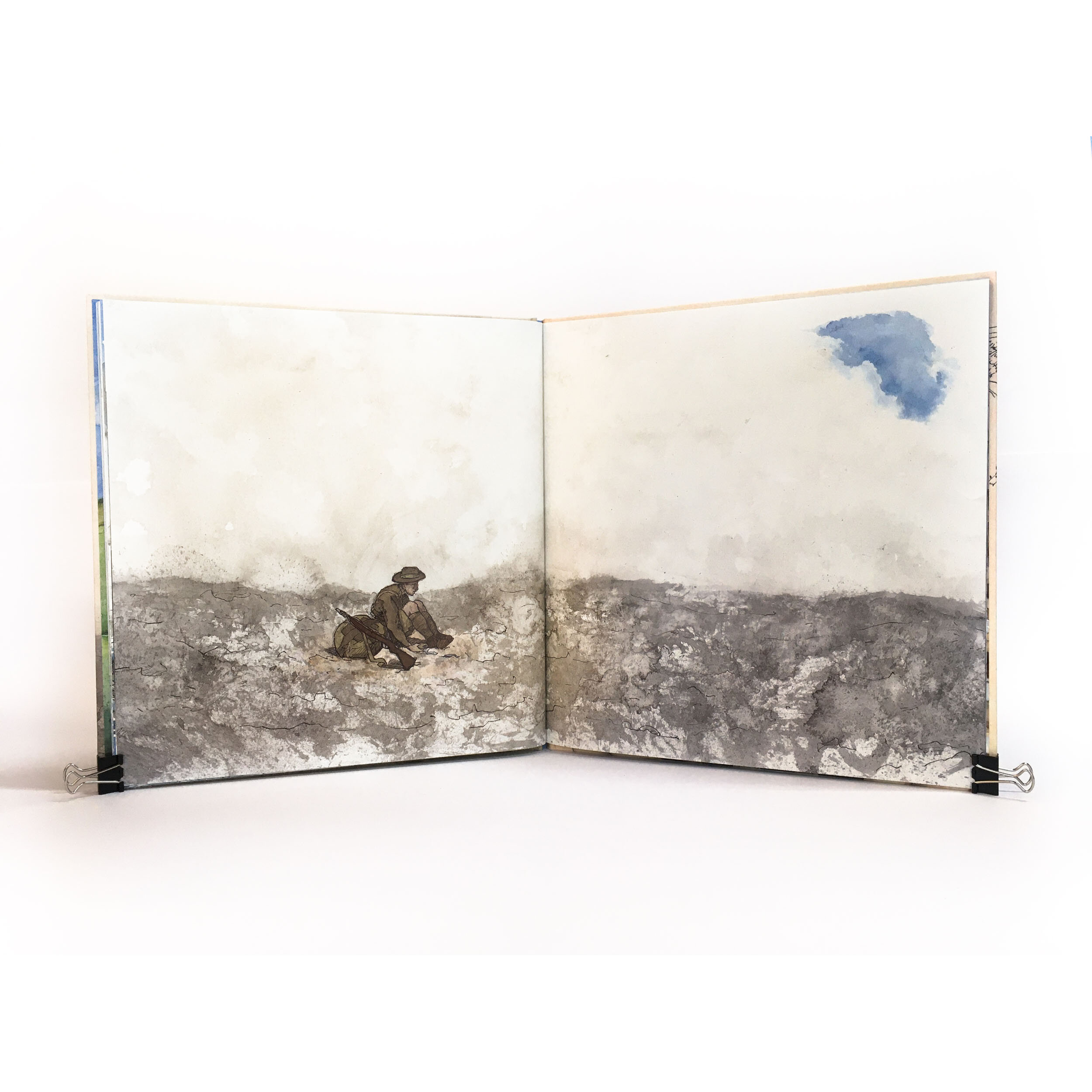
View installation shots and read about the Duets exhibition in which many of these works were shown. Navigate to "Projects / Exhibitions > Duets, 2013".

View installation shots and read about the Grey Flags exhibition in which many of these works were shown. Navigate to "Projects / Exhibitions > Grey Flags, 2012".

The following works were part of 'Persistence of Vision — Part Two', 2010.

With the exception of the palette work, the following works were part of 'Persistence of Vision — Part One', 2010. To see the other works in the project, download an exhibition catalogue etc., navigate the menu to "Other / Exhibitions > Persistence of Vision".


These works were exhibited as a series in Somnambulist at Victoria Park Gallery in September 2008.

The Found Sculpture Series, 2007.


The first two videos are tests for composition and the possible relationships between painting and video. The final, Data Dérive, applies the Situationist exploration of space to the fictional space of the internet.

Download the exhibition catalogue with the PDF icon above. Text about the exhibition is within the catalogue.

The exhibition received a plug in (View online or download PDF) and also The Age.

These are instatllation views of Grey Flags, ab exhibition held at c3 Contemporary Artspace 26 Sep–14 Oct 2012.

You can view detailed images by navigating at left to "Collage & Works on Paper > 2012".

Catalogue Statement
O’Carrigan’s works take the ‘human condition’ and its accompanying existential void and as their subject matter—though they are sometimes tongue in cheek. The works focus on the notion of communication, the pillar on which rests our avoidance of isolation. Flags and placards are greyed out (stripping them of any text, or identifying colour or symbol), and figures isolated—waving their flags at nothing. The works imagine the problems resulting when communication is blocked: they trace the tension between the human need to speak to others about hopes and fears, and the difficulty of doing so articulately.

“Grey Flags”
So, I have this thing I want to tell you. Because, you know, a trouble shared is a trouble halved. Problem is, I don’t quite know what this thing I want to tell you is. I can’t pin it down.

I am determined to make contact with you, across all this distance. You can’t hear me, from where you are, so I will use semaphore. You may not see me from afar, so I will plant flags like breadcrumbs. When you reach this place, at least you’ll know I’ve been here.

There is something I am lacking, something I want. I’m sure you feel the same. I don’t know what it is. But collectively, we can find out how to get it, maybe. We can take our placards and march for it. If we can work out just what it is we are fighting for.

When I am at least working towards finding it, making progress, the gulf is not as wide. It’s so hard to distinguish, though, the progress from the ruins. The history surrounds us, scars of the past etched into our minds, hallucinations overlaid on newer landscapes. No land marks remain to guide my path.

When I find you, I must tell you something. Maybe by the time I get there, I will know what it is. I must hear you reply, just so I know you are there. It’s lonely out here. It’s cold as hell.

–Jesse Couchman, October 2012

Disappearance was a group exhibition instigated and curated by Simon O'Carrigan. It was held at Kings Artist Run Space in December 2011, and was generously supported by NAVA (National Association of Visual Artists) through the Janet Holmes A Court Artists Grant. The accompanying essay can be found below the thumbnails.

Disappearance presents a collaboration between curator and artist Simon O’Carrigan and five artists asked to respond to the  idea of ‘disappearance’. Lionel Bawden, Drew Pettifer with Chris Bond, Betra Fraval, Kevin Chin, and Marcel Feillafe have examined this theme within their individual practice’s and have explored it further within this exhibition.

Lionel Bawden’s work’s The Fissure and The Calling are taken from his 2010 series “A Void / La Disparition”.  The focus of this series saw Bawden delve into Joan Lindsay’s iconic 1967 novel Picnic at Hanging Rock, focussing on the vanishing of three girls and their teacher whilst on a trip to the rock formation.  Though unexplained in the original novel, and Peter Weir’s 1975 film, Lindsay had penned an answer to the mystery. A concluding chapter not published until 1987 described a void encountered by the protagonists: “It wasn’t a hole in the rocks, nor a hole in the ground. It was a hole in space” seen by the girls “as painters and sculptors saw a hole, as a thing in itself, giving shape and significance to other shapes”. This negative space was, ultimately, the same power utilised in the novel and film. The omission of the explanatory chapter continues to engross audiences.

In The Calling, Bawden presents us with a physical gap between the rock formations. In The Fissure, a real gap (through which we see a depth-less monochrome sky), it is a foil to the murky wavering non-space of the void below. Bawden carves into his painting a space that is at once solid and amorphous; charting not only the events of the story itself, nor the twists of publishing history, but also the space in our psyche so receptive to the notion of vanishing into the mysterious Australian bush – a subtext too bottomless to resolve.

Where Bawden places the agency with the paranormal power of the landscape, Drew Pettifer in collaboration Chris Bond retain control of their disappearance. For them, to disappear is a choice, enacted under the artists’ hands. Pettifer’s photographs of male nudes in the landscape are printed up before having the figures painstakingly painted out by Bond. A world away from Photoshop techniques, this is artifice rendered by hand; the final disappearing act is in the absence of the painter’s hand: he erases his tracks behind him. The landscape, previously obscured by figures, crawls back over them, consumes them behind a film of paint. Just as many of Pettifer’s recent works have functioned to block the audience’s view, to reserve a portion of the image for the privileged eye of the photographer alone. Here are a series of figures now moved to a place behind the picture plane, kept safe from prying eyes. A tension remains between three decisive actions: the figure to camouflage themselves, the photographer to capture them, the painter to obscure them. Three agencies that seemingly could not co-exist, leaving it impossible to ascertain just whose power enacted the disappearance.

Betra Fraval’s monochromatic works on paper explore each moment in time as a possible disappearance. Like Bawden’s and Pettifer’s work, Fraval’s content is tied to the bush, the forest, the woods. Unlike Bawden’s and Pettifer’s work which document and simultaneously enact a disappearance, Fraval focuses attempts to harness and capture moments  (and places) before they dematerialise. Underlying is an ecological theme: catching glimpses of a world that is vanishing.

The black backgrounds become a void-like stage where images flicker on and off within the vast space. As particles of light, the images appear as delicate fragments hanging in space for a moment that is frozen before they dissolve, fade and finally disappear.  These works grasp at transient forms and capture traces, markers and imagery that anchor the self within the vastness of space. Alluding to the relationship with mortality, the impermanence of matter and the passing of time, they channel our ambivalent relationship to the passing of time – and the passing of all things in it.

In opposition to the other artists’ works, Kevin Chin views disappearance as a positive. His work displays the personal, private world of fantasy and play; a secure bubble within the domestic sphere. His notion of the void pervades his work across painted and sculptural pieces, where the cut-outs (peering through here and there in the form of canvas left blank or gaps in sculptural space and lines of sight) provide breathing space filled by the imaginary. Kevin’s partner dons a stolen magazine body, riding a seal through a vibrantly patched-together world of under-sea adventure, complete with floral arrangements and sea-animal toys. For Chin, this imaginary world is one disappeared into by choice. His accompanying sculpture provides a child-hood cubbyhouse, using stickers to improvise a lace tablecloth, now pink and dotted with smiley faces. The stickers on the plastic overlay are removed with only the edges of the sticker sheets remaining. Reversing the process of assemblage seen in the painting, this negative space rests only upon an absent tabletop, the only figures upon a blank canvas ground. The cubby-house is opened up, the barrier between private and public shifted from physical to imaginary.

Throughout the space can be heard the sound sculpture by Marcel Feillafe, echoing footsteps and muffled conversations.  The unmistakable ambient sounds of a large-scale art museum are funnelled into the small space of Kings Artist Run. Recorded as if bootlegging a concert, Feillafe wandered the halls of the Tate Modern in August 2011, wearing monitor headphones and waving around a high-definition handheld stereo mic. Whilst other museum goers busied themselves with capturing images of each work, Feillafe mopped up the remaining experience of the space, presenting it here as an inverse audio guide divorced from its origins.

Where other art tourists head home to sort their digital photo collection, Feillafe divides his audio samples into eight mono audio tracks, pushing each through a single speaker. As opposed to a surround sound recording (ultimately compressed and forced by artifice into an encompassing mirage), Feillafe assembles eight separate audio points of reference through the space of Kings. The act of photographing works in a museum seems to divorce the material work from its context, to steal its essence away from its home. Transferred to this small space on the other side of the globe, the audible, spacious reverberating sound transplants the context but strips away the art.  It is a double-disappearing act, plunging the listener into a position somewhere between two limits, a liminal void. A space at once felt as vacuum and as crushing over-presence of sound.

Whilst Feillafe plunges the audience into the space of the in-between, Simon O’Carrigan samples an iconic piece of visual culture. Referencing the cult television series Twin Peaks (Mark Frost / David Lynch), O’Carrigan presents us with a pivotal moment within the series. O’Carrigan’s triptych shows Major Garland Briggs vanishing from aside a campfire at which he sat with Special Agent Dale Cooper.
The two portraits in O’Carrigan’s rendering sit either side of a shadowy, cloaked figure borne forward by bright light – a possibly ethereal character, appearing in this scene as an agent of transcendence. In the first panel Briggs washes out of focus, on the edge of vanishing.  The final panel presents Cooper’s reaction to finding no trace of Briggs. In contrast to Briggs’ soft-focus, Coopers is rendered solid and bathed in the receding flash of light as Briggs and the unknown figure recede into the ether.

Briggs returns later in the series, and tells of a visit to the White Lodge.  The premise for Twin Peaks focuses on a confused phenomenological series of disappearances. The moment that O’Carrigan has chosen to present us is no less shrouded in mystery.  Underpinning the series is an ungraspable dialogue around two mythical realms, of what appears to be the stepping stone to an afterlife; the diametric opposites of the Black and White Lodge’s, twin waiting rooms to hell and heaven entered into by ones emotional state – fear/hate or love; disappearing from the tangible boundaries of our known reality to an alternative space of existence. Foils not only in psychological state, Briggs and Cooper here are contrasted as those who disappear willingly and those who fear it.

Each artist has addressed disappearance in various forms of representation and ideologies; disappearance as extinction, fantasy, psychological monologue, the literary, the personal, the conceptual.  Dependent on point of view, the notion of disappearance may be enveloped within vivid reality or the haze of psychological delusion; the flux or pull between positive or negative; it may be a result of outside force or a personal agency.

The artists gratefully acknowledge the support of the National Association for the Visual Arts. The Janet Holmes à Court Artist Grant is a NAVA initiative, made possible through the generous sponsorship of Janet Holmes à Court and the support of the Visual Arts Board, Australia Council for the Arts.

Lionel Bawden’s work appears courtesy Karen Woodbury Gallery, Melbourne.

Chris Bond’s work appears courtesy Nellie Castan Gallery, Malbourne.

Simon O’Carrigan’s work appears courtesy Daine Singer, Melbourne.

The works on this page form the exhibition 'Down To The Well', 2011, at Daine Singer, Melbourne.


She said it felt like a river inside her bones
When she went down to the well.

Simon O’Carrigan’s latest ink series takes us down to the symbolic well, the gateway between worlds. In the lexicon of late capitalism, ‘well-being’ refers to quality of life and more directly to the ultimate goal of modern individualism: that transient feeling we call happiness. It is, ironically, the one thing that the economic world cannot trade, despite the best attempts to maintain the illusion through the materialist possession. Seeking the source of both the emotional and financial opposites of this position, that of depression, O’Carrigan takes us to the borders of the earth’s surface, to the edge of hidden realms, to the lips of darkness. His inky transitions slide from the browns of a familiar earth to the blacks of creeping shadows, and combine to represent the start of a journey, from surface to underworld, conscious to unconscious, present to past.

With this idea of well being, so similar to get well messages we send to loved ones who are unwell, we see the term comes to us from quite a literal place, one that is less a state of mind and more a place of spirit, an opening into our ancient, and mostly forgotten, past. Cultures around the world identified with wells, ranking them as places of worship, places of fear, of renewal and new life, and they appear repeatedly in sacred texts and mythology. One example is the clootie well that is usually marked by a tree, becoming a place for the ancient votive practice of praying to a spirit – a well being – for healing. The practice of drinking, washing, even marking a significant well, operates as a symbolic ritual of the source of life. Despite the best attempts of modern religions to convert these ‘pagan’ water spirits into more acceptable saints, installing crucifixes or statues over them and renaming them ‘holy wells’, the clooties continue to this day – in Ireland alone there are more than 3,000. The exorcism of these practices from urban life can be seen in the way that cities no longer rely on local wells tapped from the earth; our western wells are now owned by transnational corporations. Where we once brought our life source from the deep springs of dark and ancient underground water (subconscious) directly to the surface (conscious), we now construct massive damns to hold back the surface water, drowning the underworld in our excessive daily needs.

It is perhaps incongruous that the well, as a place and an object of observation, should take us from the realm of this spiritual biologic into the realm of the rational technologic. One of the great discoveries of early science, marking the beginning of the modern shift away from belief in the supernatural to a belief in the purely rational, happened inside a well. Around 200 BC, Eratosthenes of Cyrene visited the famously deep well in Syene, what is now Aswan in Egypt, and noticed that at midday on the longest day of the year, the sunlight was directly overhead and its reflection could be seen in the very centre of the well. From that day forth, the shadows began to slide up the walls of the well until they circled around to return a year later to the centre once again. From these observations, Eratosthenes correctly theorised that the world was in fact a sphere.

The well as a cultural symbol has been regarded throughout history through its signification as a source of life, a centre for communal activity. In religious texts, the well operated as a metaphor for beginnings, for accessing deeper truths and for replenishing the psyche. What was once deeply interconnected and ritualised through nature is now purely constructed, surface-based, utilitarian and on-tap in a corporate-owned, user-pays system. Apposite is a growing sense of mental un-well-ness in people around the world. The ways we have physically reconstructed the earth since the days when we relied on wells, both for inner and outer connections, can be seen in parallel through our total disengagement of the psyche from our environment.

The absence of this tangible well in modern urbanity is a perhaps result of our inability to manifest the physical ritual and symbolic metaphor. O’Carrigan’s varied techniques in this series reveal these things to us, from brushstrokes in lucid swirls, to dreamlike landscapes and contemplative views down into ancient stone wells, the colours drain away, absorbed from the world by the beckoning darkness of the past.

Din Heagney


Down to The Well, performed by Pixies, lyrics by Black Francis (Charles Michael Thompson), 4AD Records, 1990.

Rhys, J 1901, The Folklore of the Wells in Celtic Folklore in Welsh and Manx, sourced and viewed 15 September 2011, <http://www.sacred-texts.com/neu/cfwm/cf200.htm>

Rags to Ditches: Mysterious Celtic Clootie Wells in Urban Ghosts: Forgotten Places and Urban Curiosties, viewed 10 September 2011, < http://www.urbanghostsmedia.com/2011/03/rags-ditches-mysterious-celtic-clootie-wells/>

Duckwork J 2001, The Bible's Deeper Meaning in Theistic Science, viewed 14 September 2011 < http://www.theisticscience.org/religion/bible.html>


Persistence of Vision

In 2010, Simon received two grants to develop & exhibit a new body of work, returning to his painting and collage practice after working in animation for two years. The project is being developed in two parts. The first, funded by a grant from the City of Yarra, was exhibited at c3 Contemporary Artspace — images and details can be seen below. The second, funded by the City of Melbourne, will be exhibited at Blindside in October 2010.

Persistence of Vision – Part Two

Artist references the pioneering works of Étienne-Jules Marey in documenting "psychic volition".

Visual artist Simon O’Carrigan presents the second part of his year long project, this time at Blindside Artist Run Space in October-November. O’Carrigan has moved toward a far darker subject matter for this second show.

He more closely references the works of Étienne-Jules Marey, and Edward Muybridge, and their early attempts to 'picture time' through photography of movement.
Persistence of Vision – Part Two is a series of works on canvas and masonite, which takes a darker side of the psyche as the 'movement' to be charted.

For further analysis refer to the catalogue essay.

Exhibition Details:

Persistence of Vision – Part Two
27th October – 13th November, 2010.
Opening Night Thursday 28th October 2010, 6-8pm.
Blindside Artist Run Space
Nicholas Building Level 7 Room 14
37 Swanston Street Melbourne VIC 3000
Gallery hours: Thursday–Sunday, 12noon - 6pm.
Supported by a City of Melbourne Young Artists Grant.

City of Melbourne      Blindside

Related Links:

www.blindside.org.au
City of Melbourne Young Artists Grants

Downloads

Invitation (JPG, 1.05 mb)

Download catalogue essay by Jesse Couchman (PDF, 59 kb)

Download price list w/ thumbnails of each work (PDF, 1.2 mb)

For press quality images, contact Simon O'Carrigan with the details in the page header.


Persistence of Vision – Part One

Artist uses animation techniques to render human movement “in-animate”.

Visual artist Simon O’Carrigan presents an exhibition of works on paper and canvas at c3 contemporary art space in July-August. O’Carrigan studied painting at the Victorian College of the Arts, and Monash University, before becoming a self-taught animator. His latest films have screened widely at film festivals including the Top 100 Australian Shorts program of the 2010 St Kilda Film Festival.

He now returns to works on paper and canvas, and is using the skills gained as an animator to deconstruct human movement.
Persistence of Vision – Part One is a series of works on paper and canvas, examining human movement through the eye of an animator, where movement is broken down into still frames, and overlaid. The effect is frieze-like – recalling ancient Egyptian art, Futurism, but viewed through a contemporary, video-aware artists‘ eye.

The term Persistence of Vision is common in film and animation theory. It describes the phenomena that the human eye, though seeing a series of still frames flashing for a fraction of a second, interprets movement. Movement of this kind is trickery! Indeed, the imagery in this exhibition depicts people attempting sporting tricks – skateboarding, basketball shots. O’Carrigan collates these frames, that would otherwise form an animation, onto one layer of imagery. He sidesteps the trickery, defeats it – little wonder that his skaters fail their tricks, and basketballers miss their shots.

Exhibition Details:

Persistence of Vision – Part One
21st July – 8th August, 2010.
Opening Night Wednesday 21st July 2010, 6-8pm.
c3 contemporary art space
The Abbotsford Convent
1 St Heliers Street, Abbotsford VIC 3067
Gallery hours: Wednesday–Sunday, 10am - 5pm.
Supported by a City of Yarra Community Arts Grant.

City of Yarra      c3

Related Links:

www.abbotsfordconvent.com.au
www.c3artspace.blogspot.com

Downloads

Invitation (JPG, 618kb)

Download press release (PDF, 584kb)

Download press quality image pack (ZIP, 2.7mb)

Installation views of The Drowned World at Shifted Gallery, Richmond, 2008. Animation samples can be found under the animation category.


Installation views of Elisions, an exhibition at Runt Gallery, Monash University, Caulfield, 2007. Many of the works featured video and animation projected onto canvas or paper. The animations can be viewed in the animation section of the site.

Elision (noun):

  • The omission of a sound or syllable when speaking (as in I'm, let's, e'en).
  • An omission of a passage in a book, speech, or film.
  • The process of joining together or merging things, esp. abstract ideas.
  • From the Latin elidere, to 'crush out'.
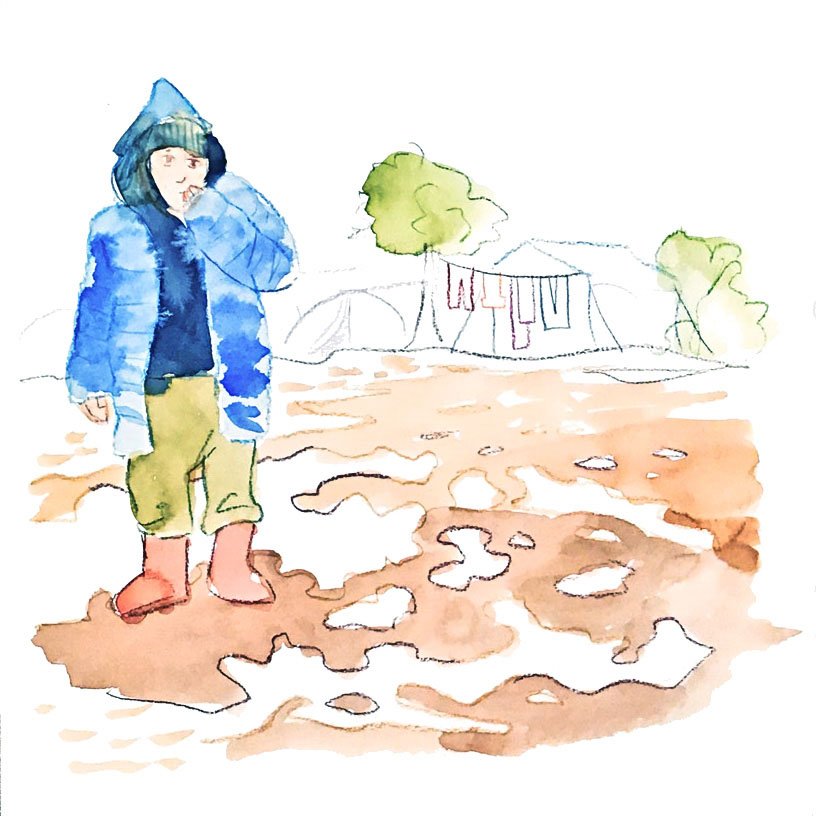
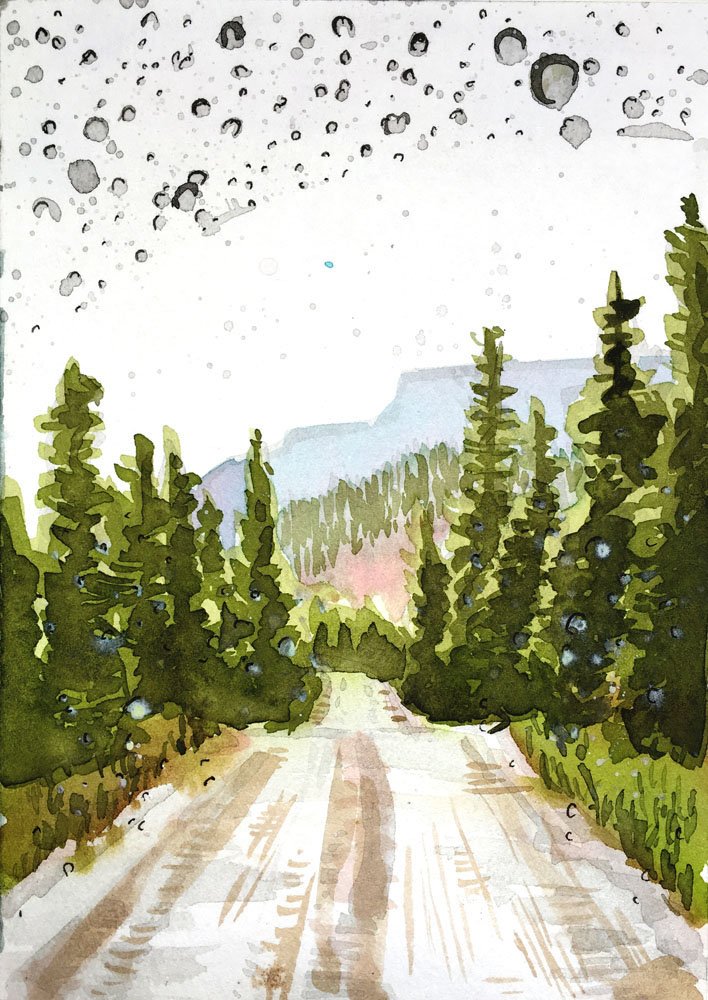
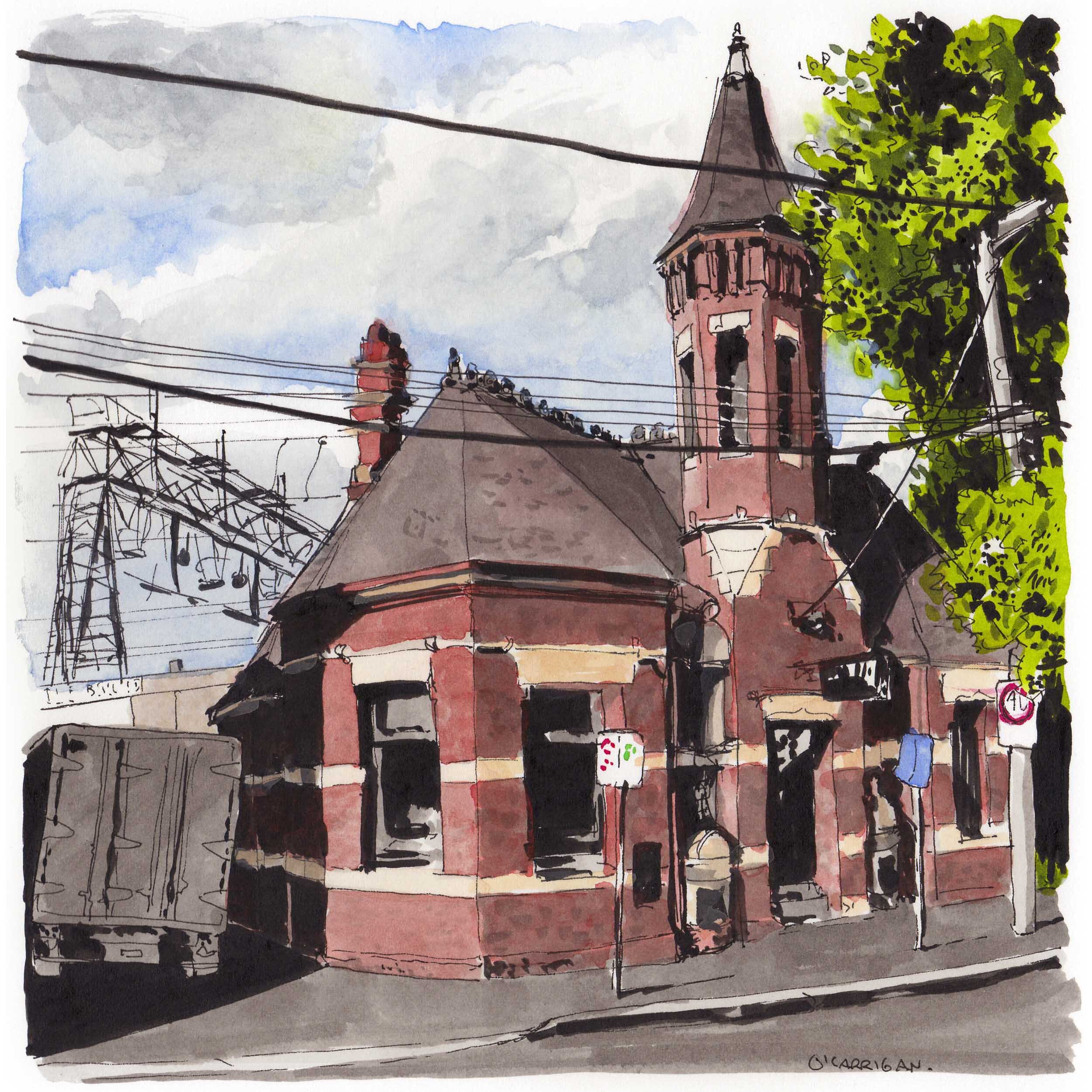
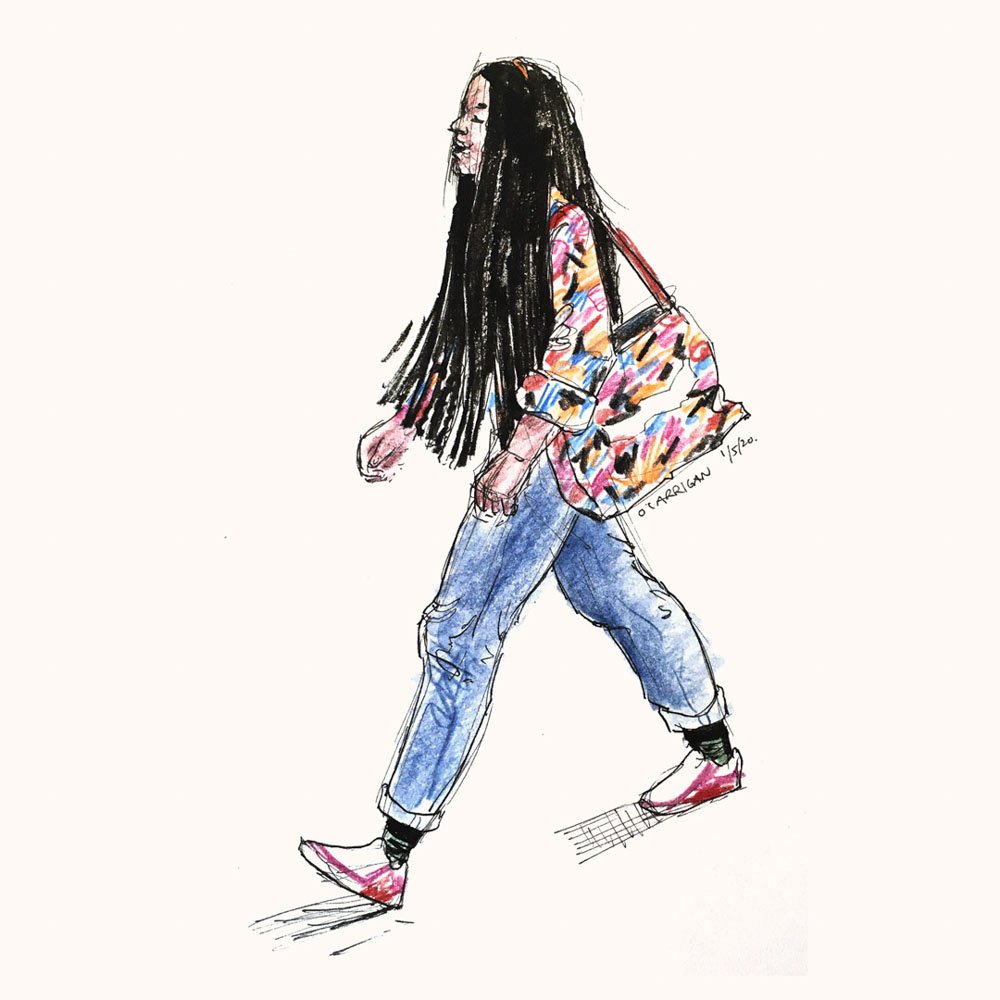
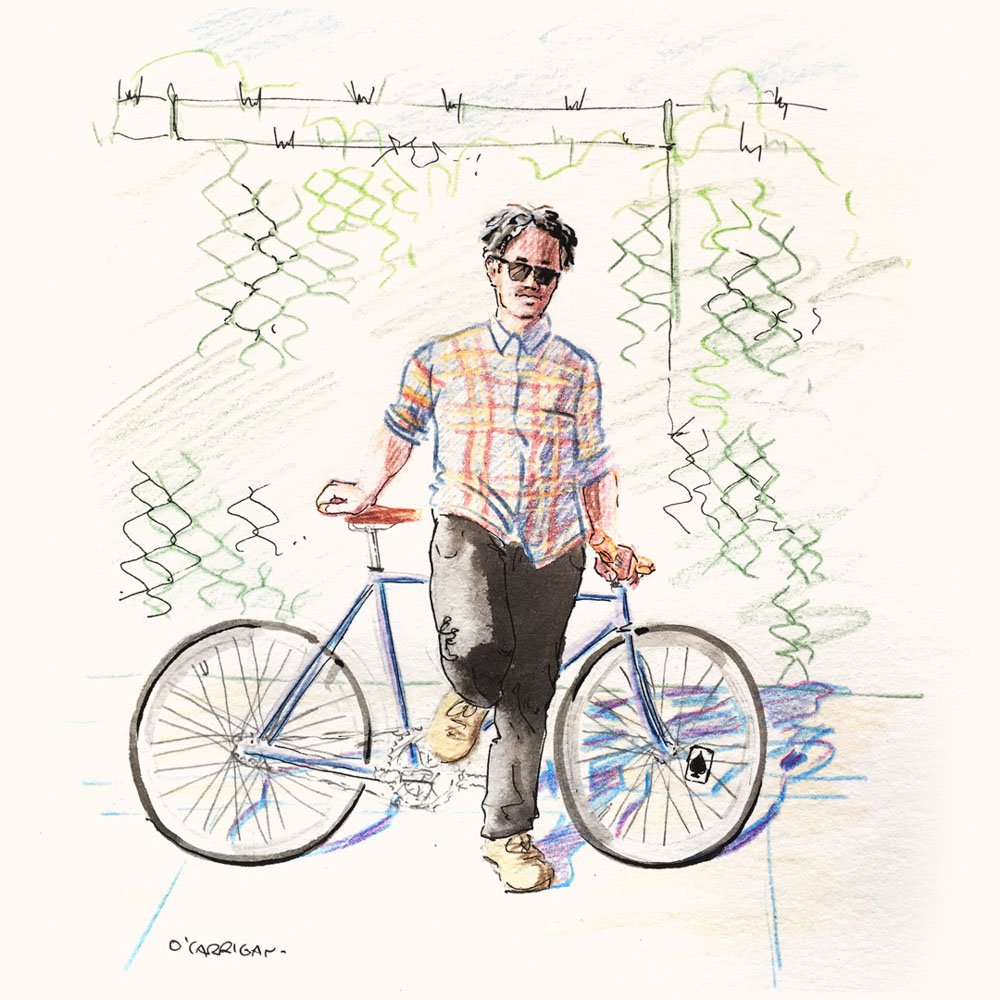
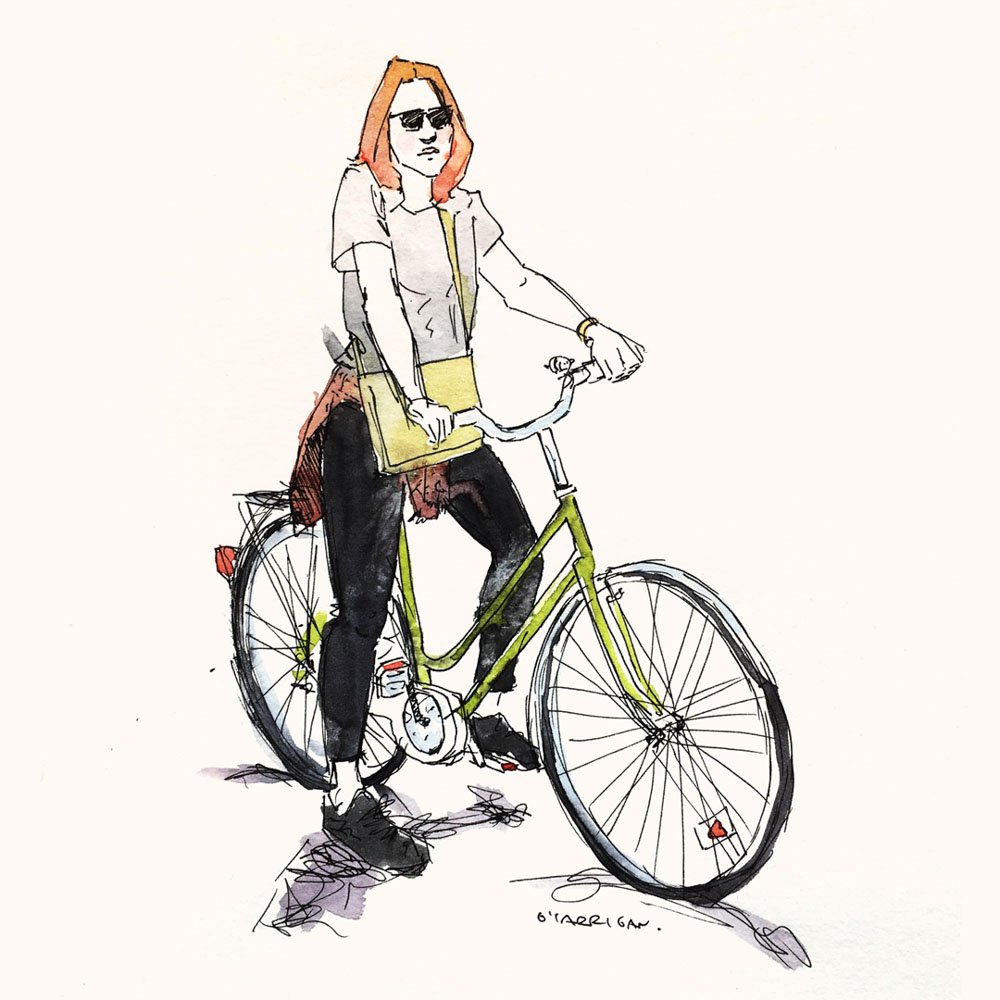
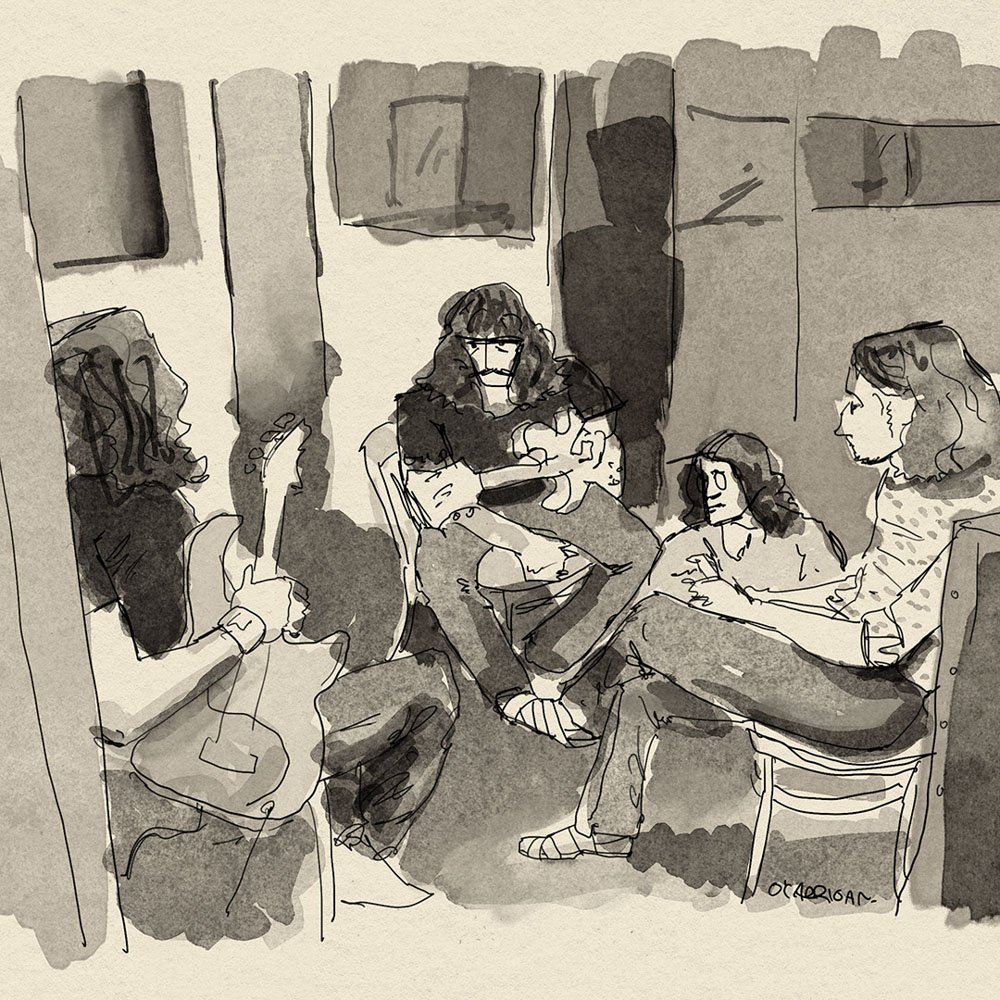
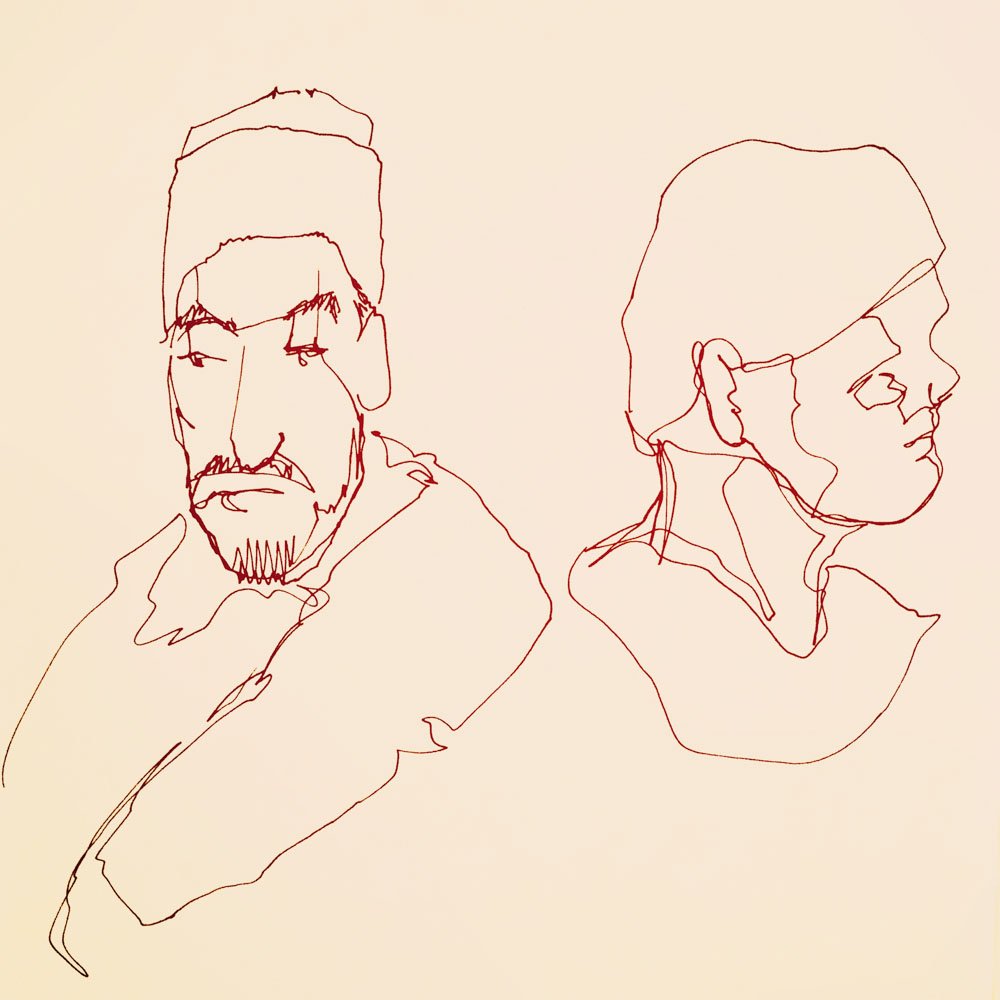
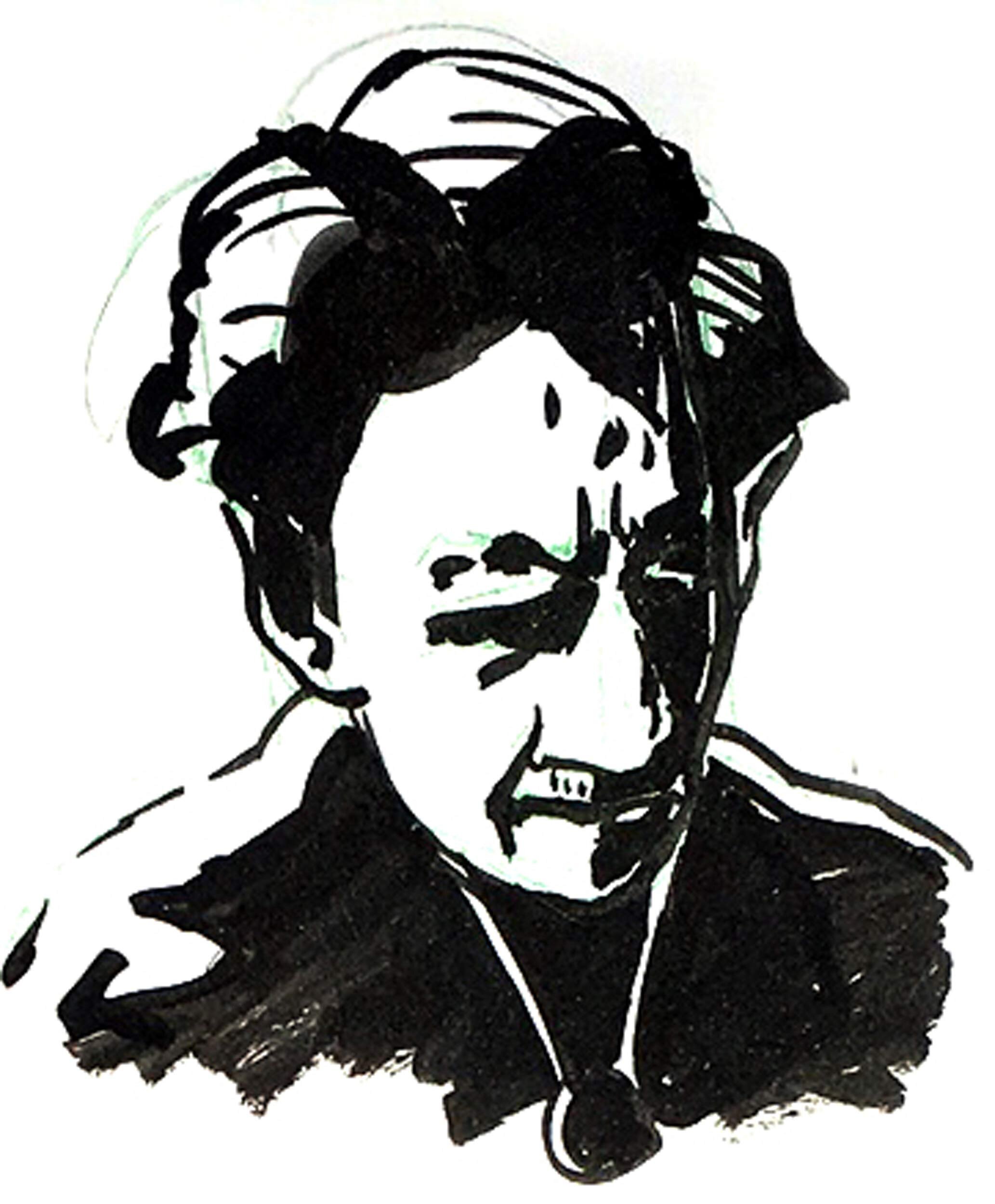
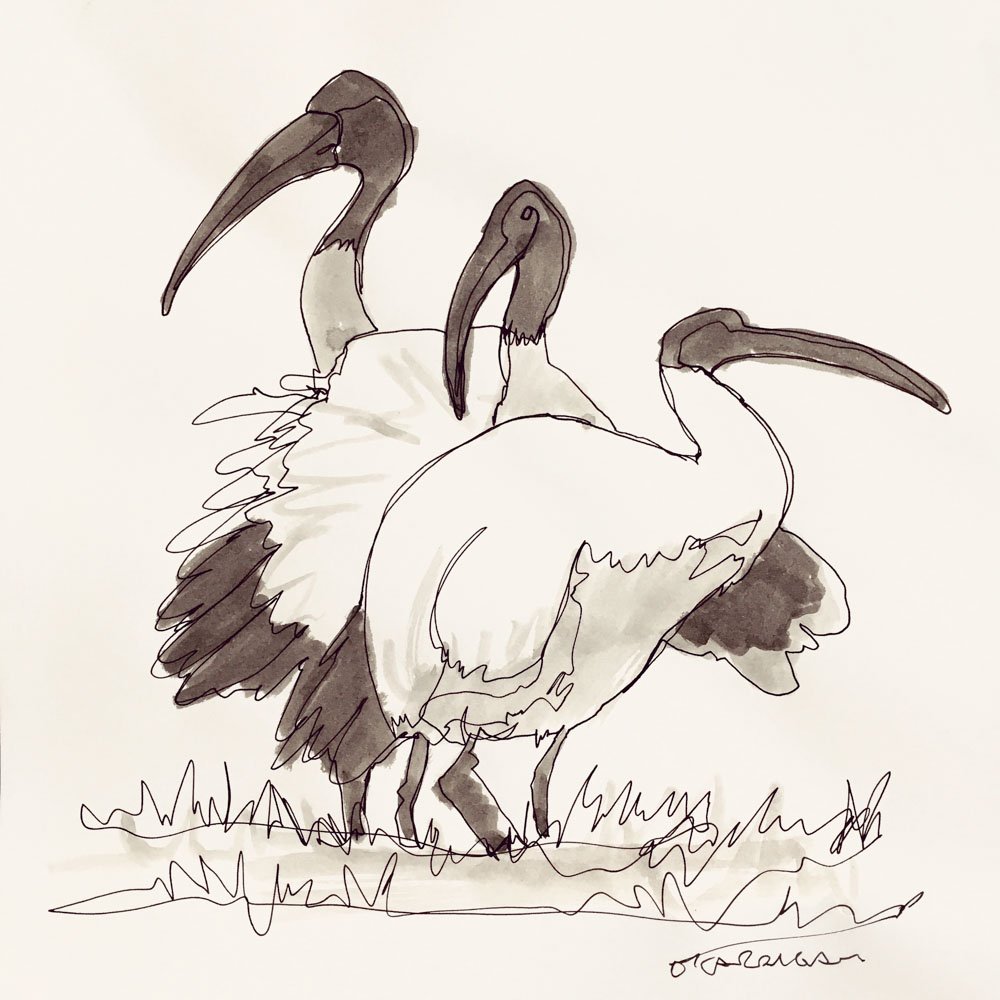
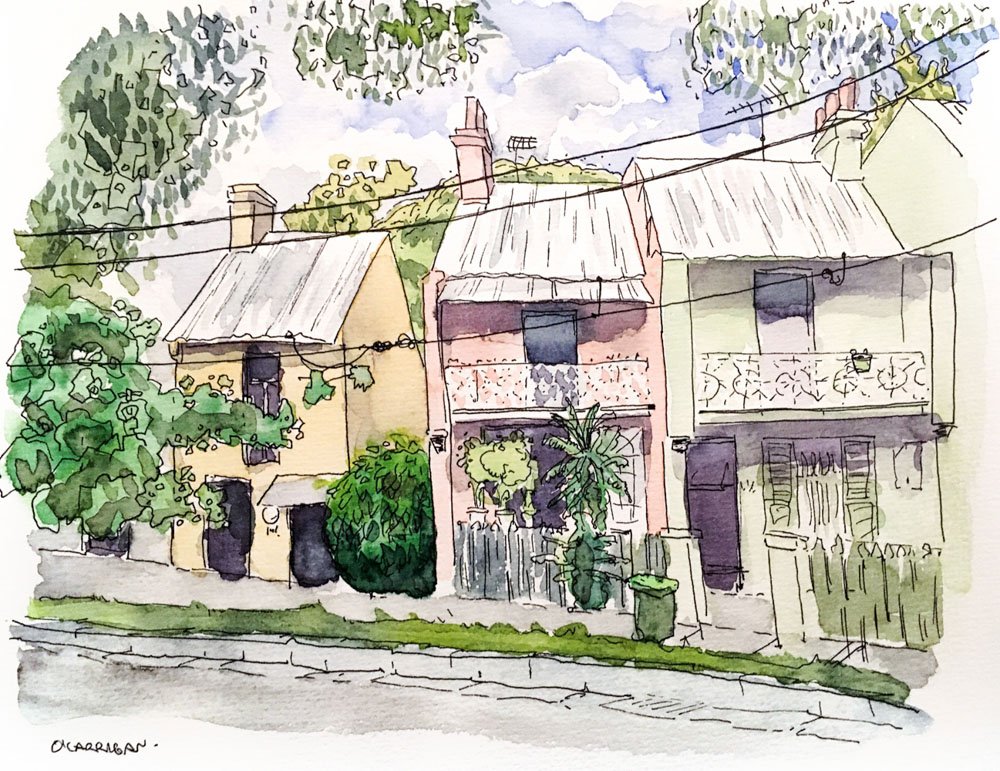
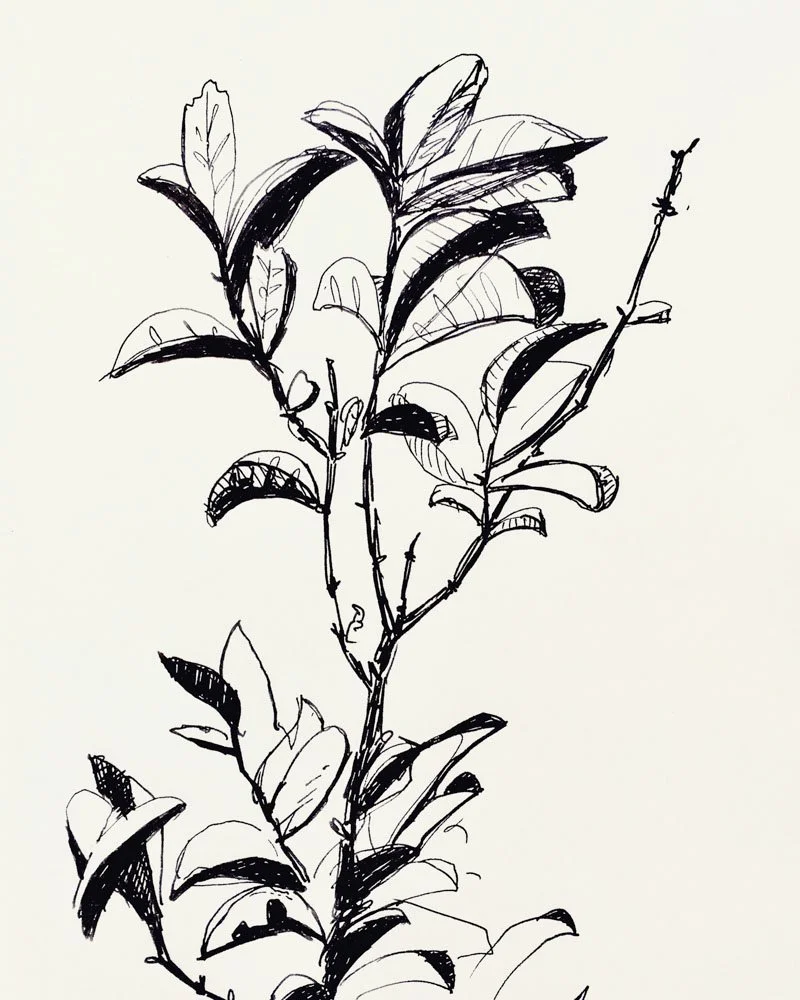
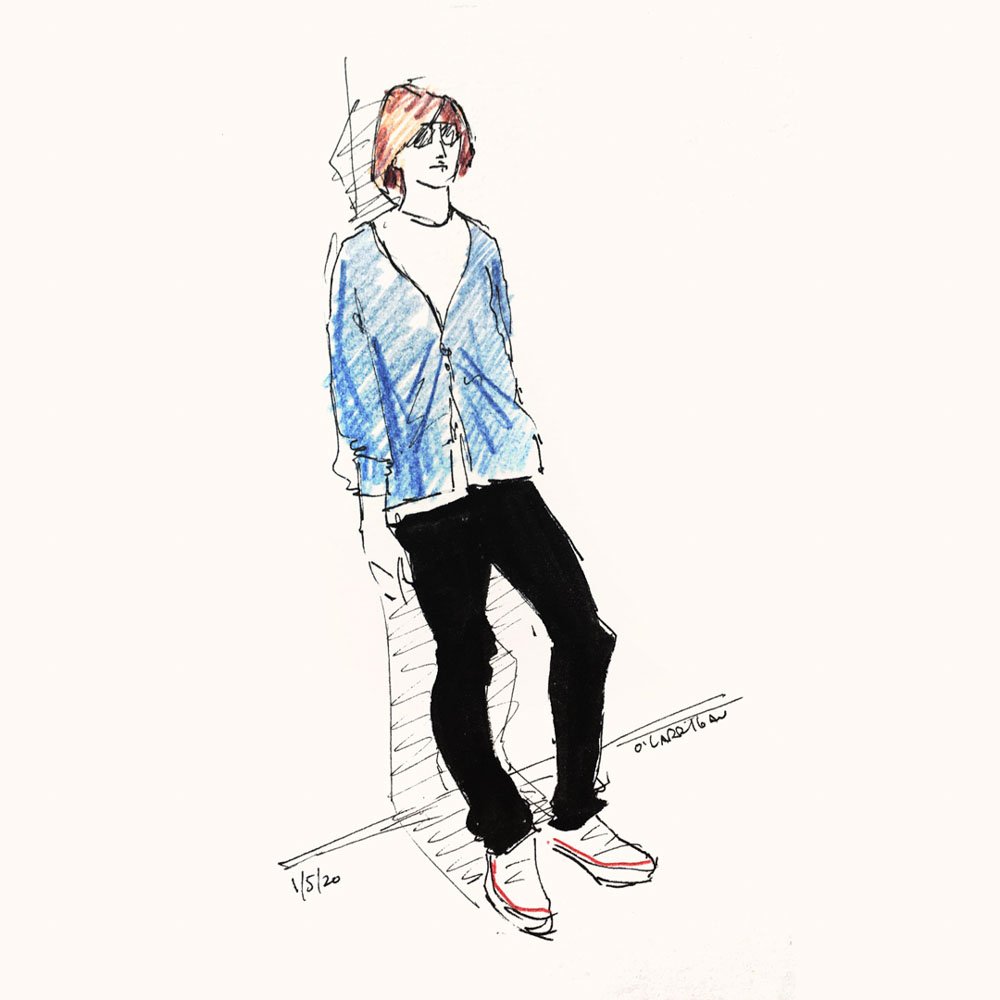
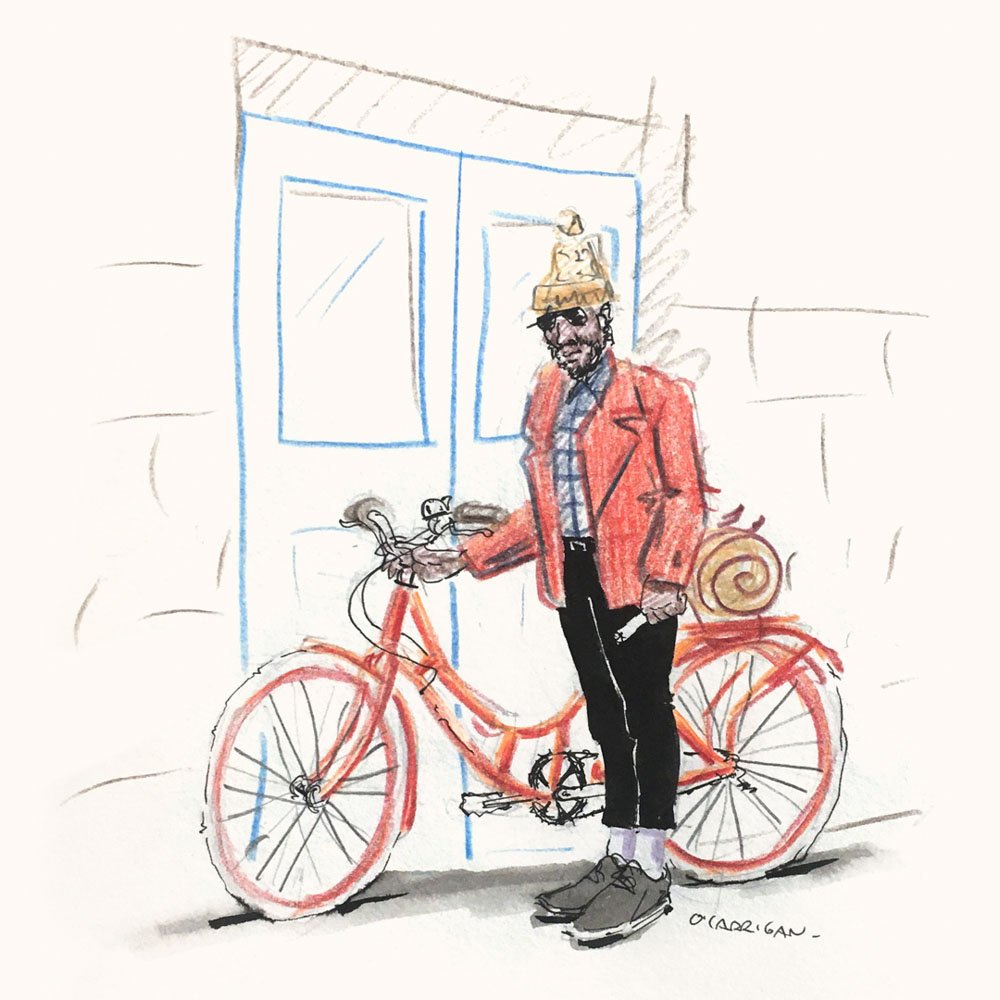
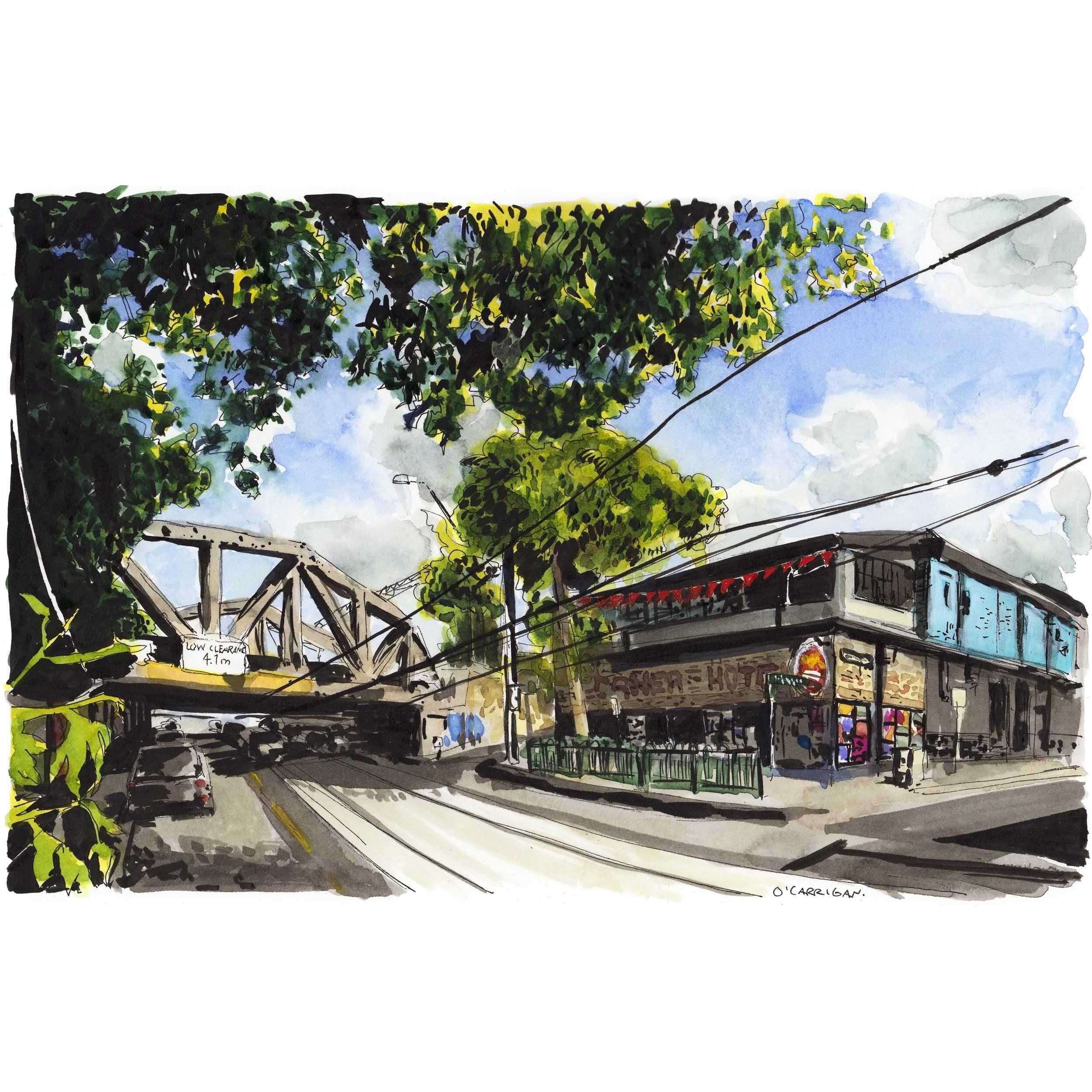
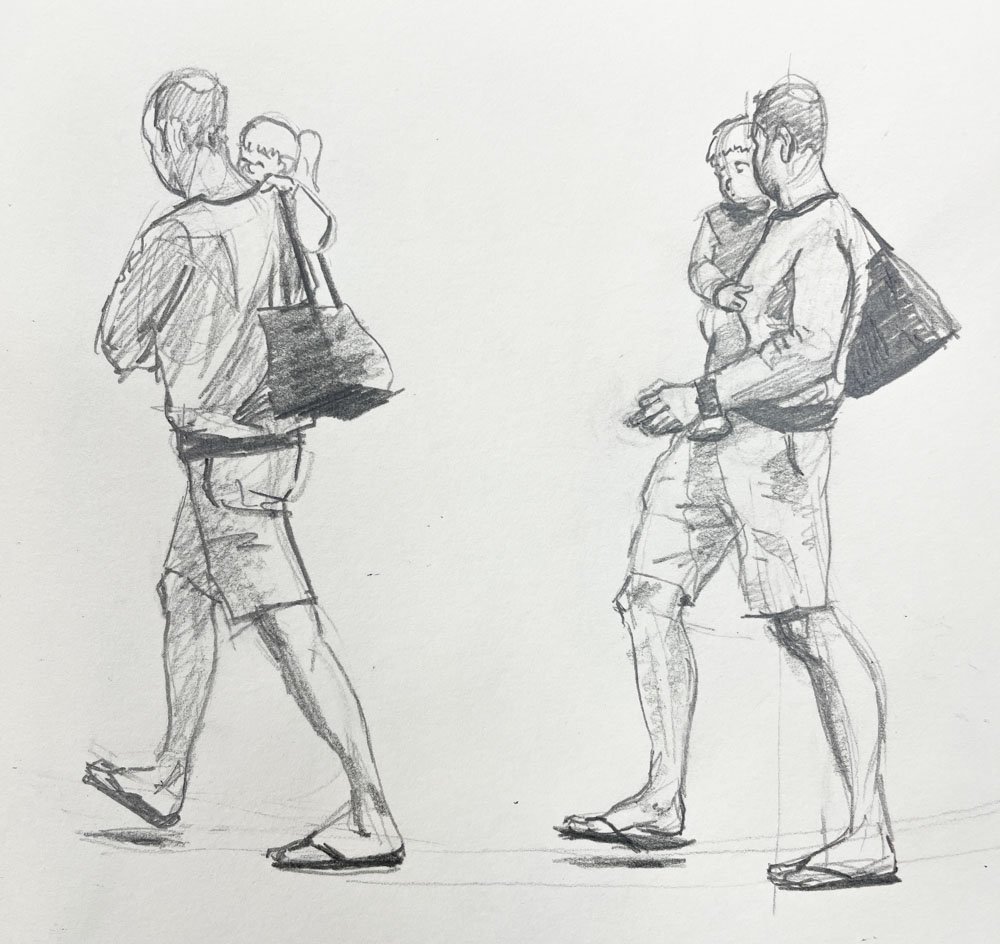
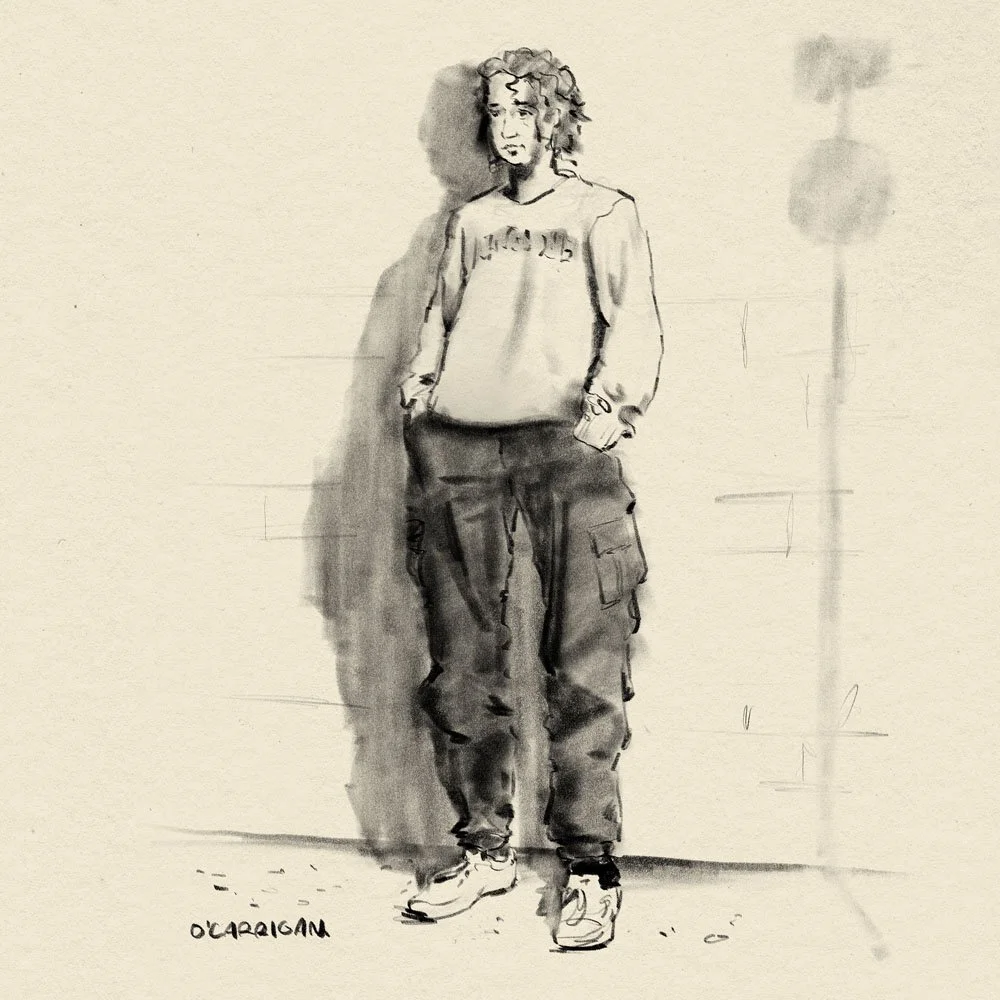
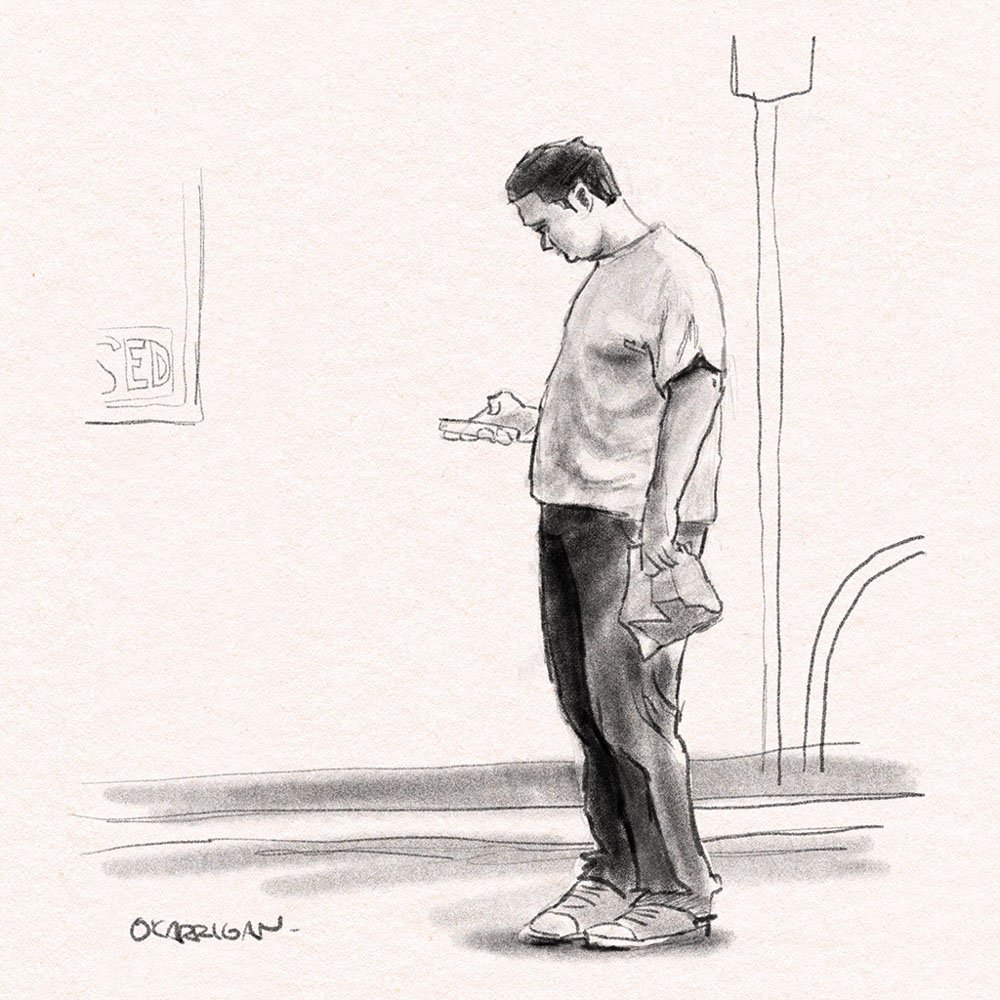
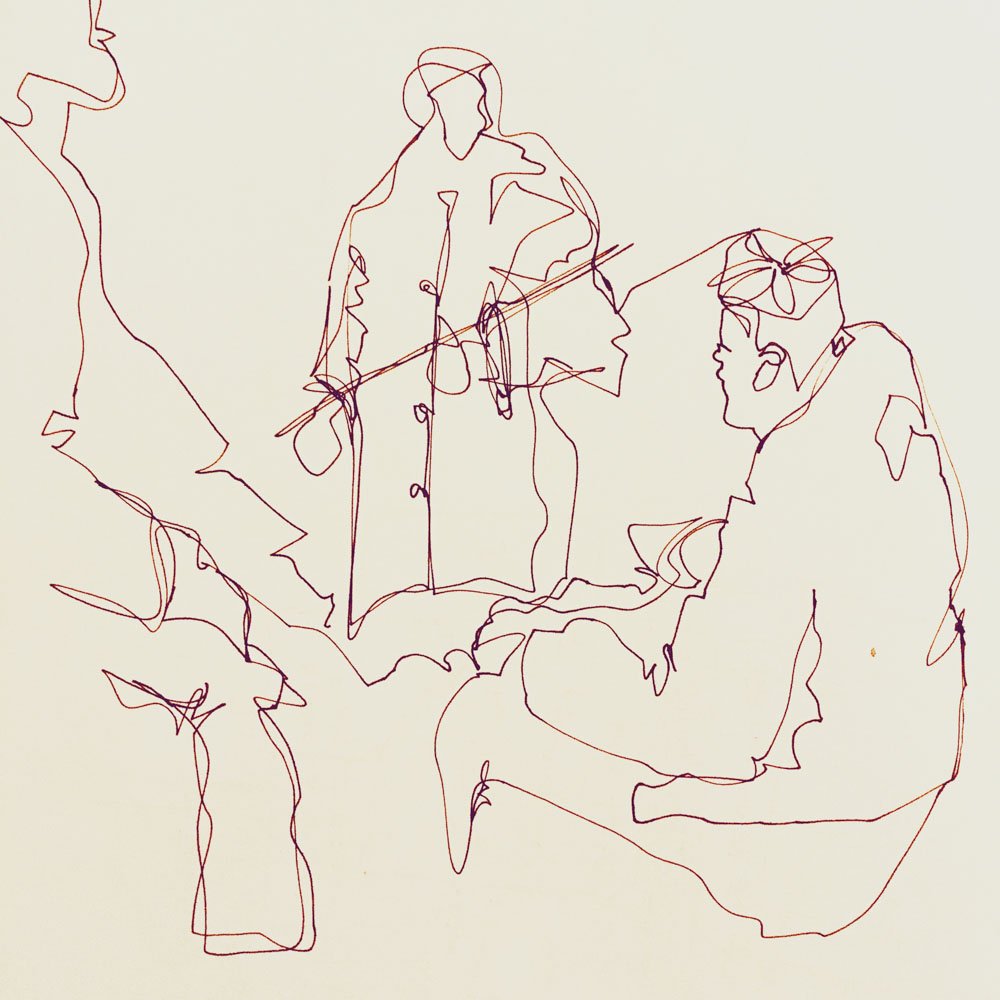
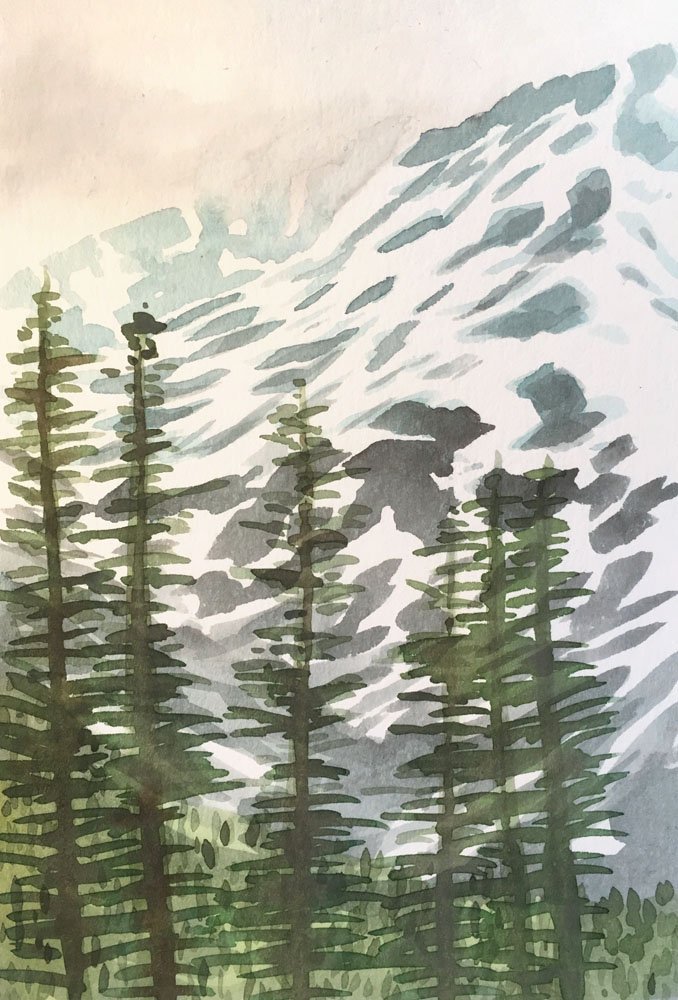
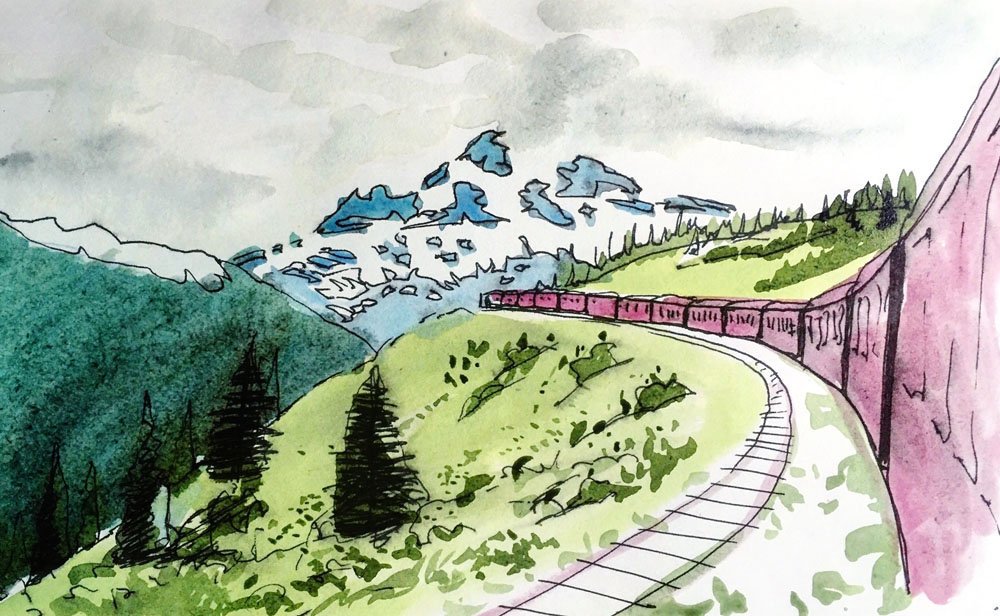
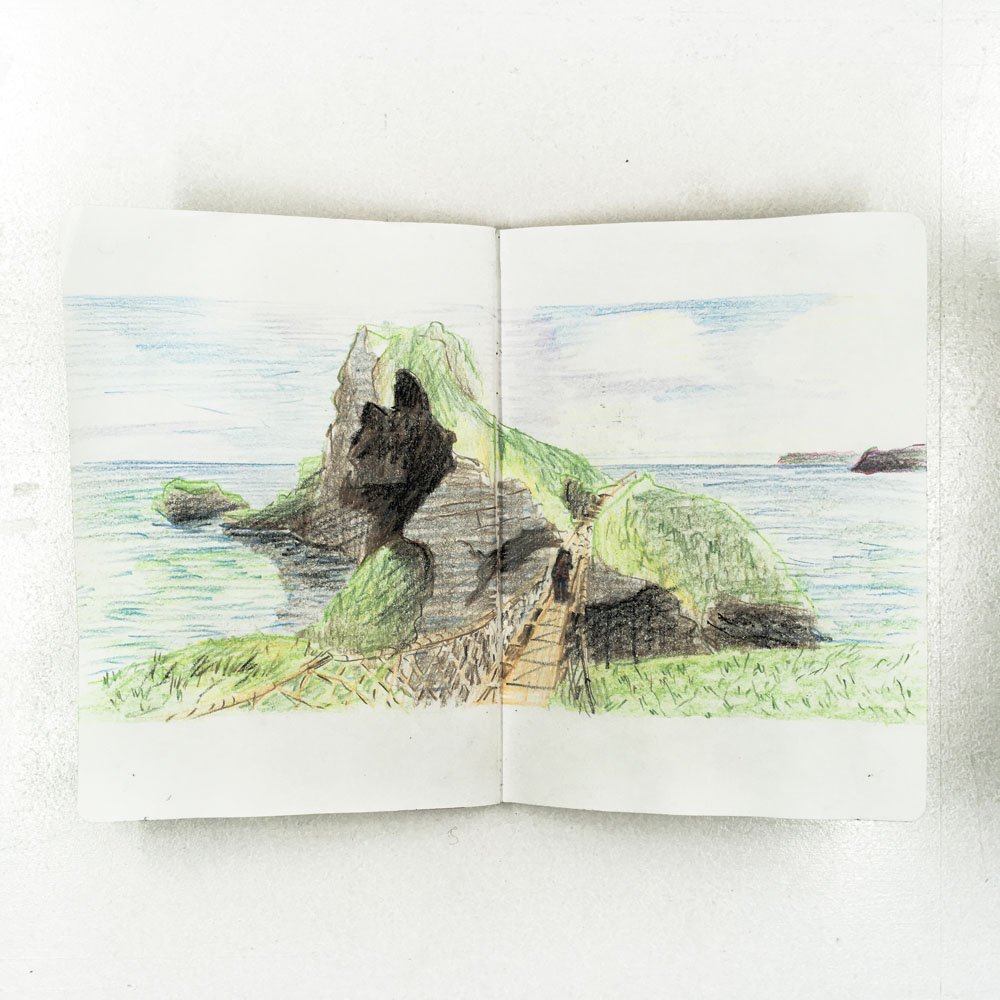
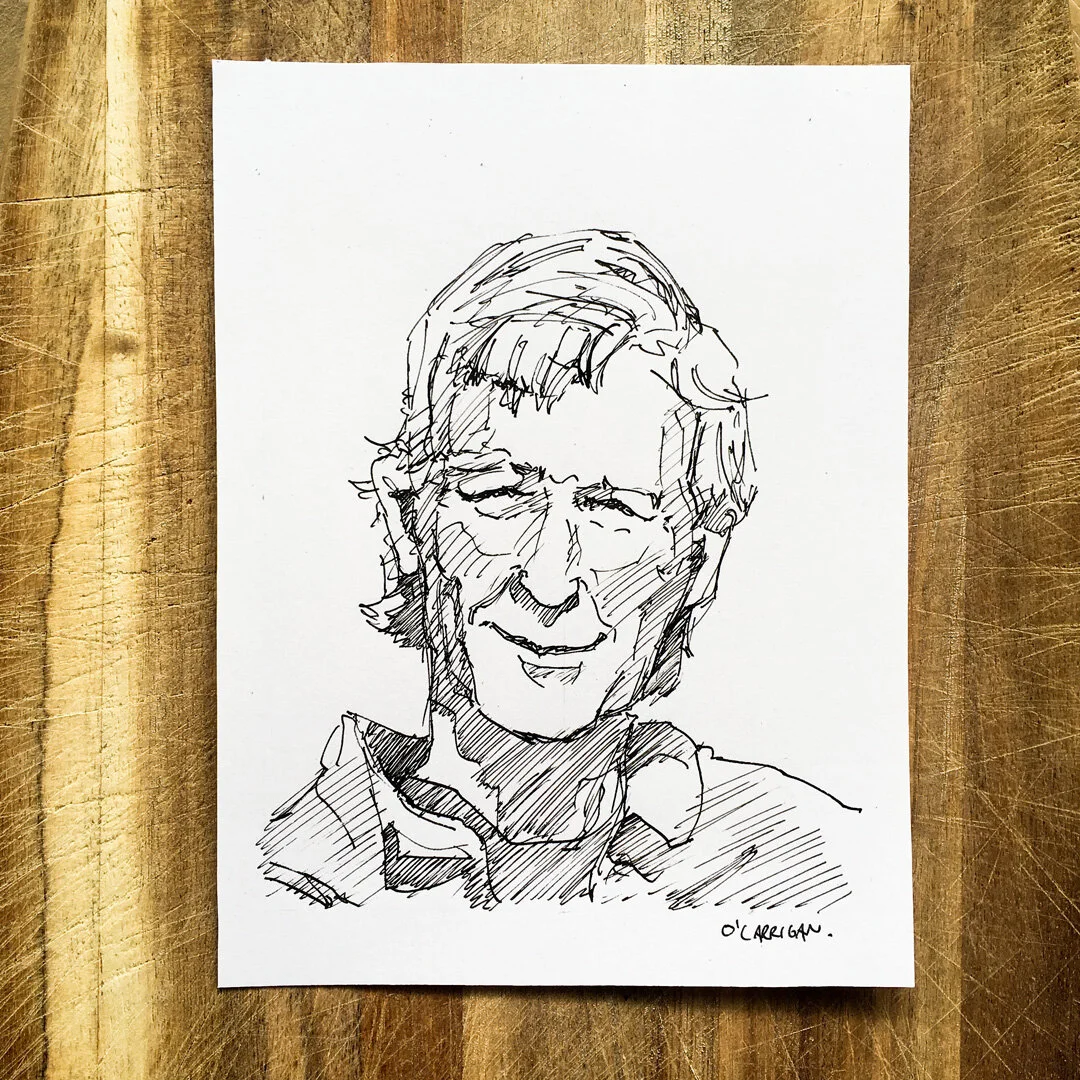
The sketches on this page date to 2011. For 2012 and onwards, go to http://figuregroundjournal.tumblr.com/


Sign up the the mailing list via the navigation at left to be kept informed of shows and screenings.

The next big project will be my role as a judge at the 2013 Melbourne International Animation Festival, ACMI Cinemas, Melbourne, 20-30 June.

Biography

Jan 2012

O’Carrigan’s practice is focused on the mindset of painting, but this painting is infused with elements of collage and traditional cel-animation. Whether actual or achieved through trompe l'oeil, the collage tradition is important for the layered approach O’Carrigan takes to the development of pictorial space.

His recent works take the existential void as their subject matter — though they are often tongue in cheek. They filter various suggestions (from the Western canon of philosophy) as to how one should best respond to the knowledge of existence’s absurdity.

Contact / Representation / Commissions

Simon O'Carrigan is not currently represented by a commercial gallery. Contact him if you would like to discuss.

In addition to his own art practice, Simon invities commissions (artworks, illustrations, licensed use of images, animations). Contact via details in footer to discuss.

If you are having trouble viewing the pop-up windows for images or video, check your browser's security settings. This site uses Javascript to control it's appearance, so you may have to add it the list of allowed websites, and/or reduce your browser's security level.

If that doesn't work, ensure you have the most current version of your browser, and Flash Player.

Most problems will be avoided by using Firefox – the free, open-source, and secure web browser.

In addition to the contact details at the top of the page, you can find Simon on Twitter and Facebook, and view journal sketches at http://figuregroundjournal.tumblr.com/.

All content & design © Simon O'Carrigan 2004–2013 and may not be reproduced in any form without express permission. | Last updated Friday, 10 May, 2013